- The Prohuman
- Posts
- The architecture problem behind AI
The architecture problem behind AI
Plus: Healthcare is testing agentic AI


Rimsha Bhardwaj, Hasan Toor & Ihtesham Haider
March 09, 2026
In partnership with

Hello, Prohuman
Today, we will talk about these stories:
The real bottleneck in enterprise AI
The hidden cost of AI automation
Hospitals want AI that takes action

The best marketing ideas come from marketers who live it.
That’s what this newsletter delivers.
The Marketing Millennials is a look inside what’s working right now for other marketers. No theory. No fluff. Just real insights and ideas you can actually use—from marketers who’ve been there, done that, and are sharing the playbook.
Every newsletter is written by Daniel Murray, a marketer obsessed with what goes into great marketing. Expect fresh takes, hot topics, and the kind of stuff you’ll want to steal for your next campaign.
Because marketing shouldn’t feel like guesswork. And you shouldn’t have to dig for the good stuff.
AI Fails When the Data Layer Is a Mess

Most enterprise AI projects are tripping over documents, not models.
IDC estimated that about 90% of the data organizations generated in 2022 came as unstructured files, messages, contracts, and media scattered across many systems.
Aaron Levie says companies built their systems in ways that make this information hard for AI to read or trust.
This is a data mess.
If the files, permissions, and metadata stay fragmented, the model will guess.
Box routes documents, permissions, and workflows through a middleware layer so teams can swap AI models without rebuilding the surrounding system.
On a quiet office afternoon, someone is still clicking through folders because over 10% of workers spend a full day each week just searching.
Will companies rebuild in time?
AI Might Be Quietly Draining Human Expertise

Some companies may be automating away the people who would have become their experts.
Executives at platform engineering firm Klarrio warn that rapid AI adoption is repeating the same mistake companies made during the early cloud rush.
AI now generates huge volumes of code, documents, and analysis, yet the people reviewing it are shrinking while output explodes.
This concern is practical.
If AI produces 100,000 lines of code and the team used to review 10,000 written by humans, verification becomes impossible at the pace companies now expect.
Security problems already show up in small ways, including 2,400 GitHub repositories containing ransomware that researchers found in a recent scan. Late at night, someone is still scrolling through generated code on a laptop screen, trying to decide whether the machine understood the problem.
If AI keeps accelerating output while human review shrinks, who actually understands the systems we are building?
Hospitals Want AI That Handles the Paperwork
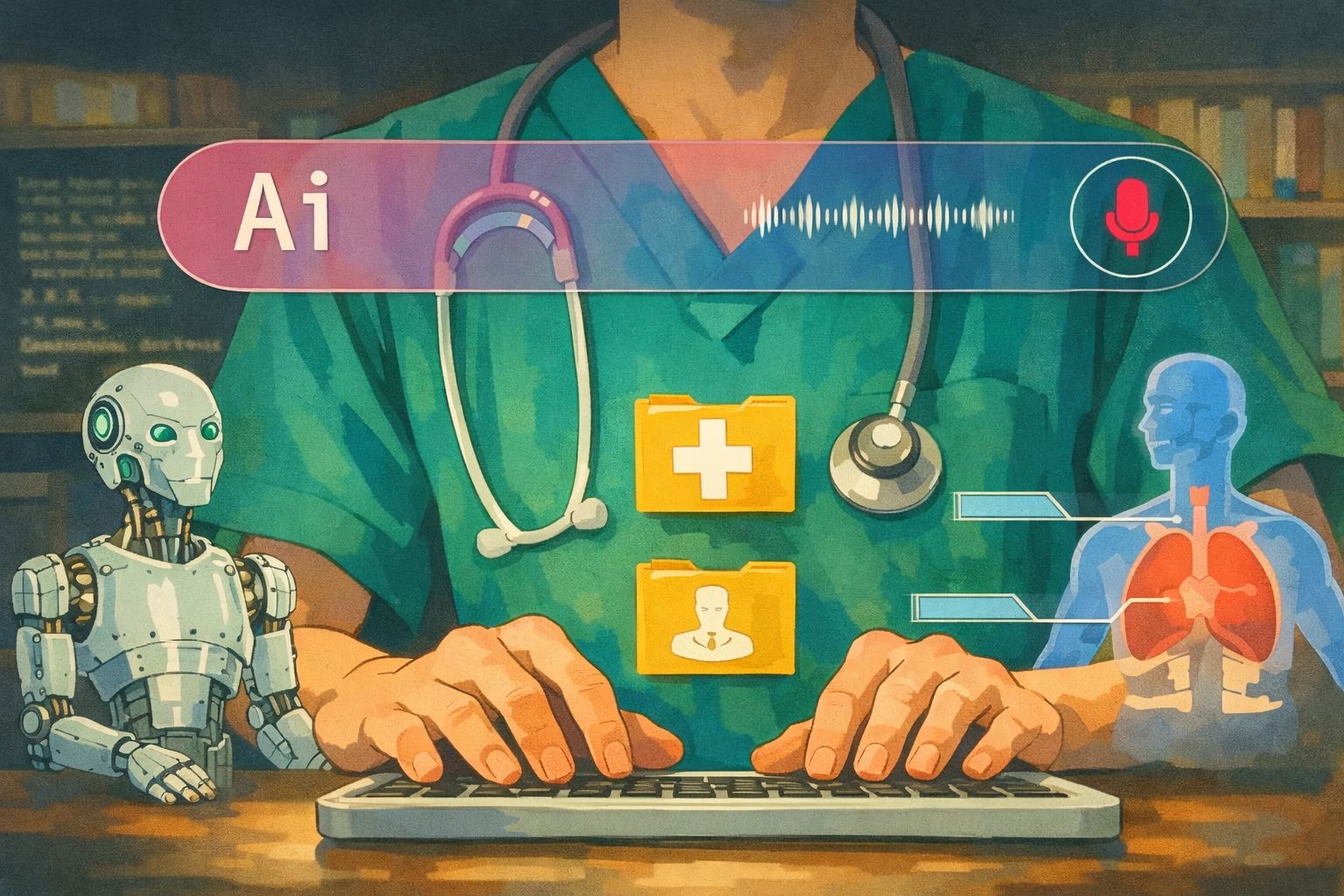
Healthcare leaders are starting to ask AI to do the work, not just suggest it.
Hospitals are testing agentic AI systems that can complete tasks across scheduling, billing, documentation and patient communication.
AWS and Google are pushing tools designed to act across these workflows rather than sit inside a single chatbot or assistant interface.
The problem is obvious inside most hospitals.
Doctors and nurses spend large parts of the day dealing with forms, follow-ups and system tasks instead of patients.
Agentic systems promise to move through multiple systems and complete the task end to end, which is a much bigger shift than simple AI copilots.
In a fluorescent-lit hospital office late in the afternoon, someone is still clicking through billing screens that software could probably finish.
If these systems start closing the loop on real work, healthcare might become the first place agentic AI quietly proves itself.
Prohuman team
Covers emerging technology, AI models, and the people building the next layer of the internet. |  Founder |
Writes about how new interfaces, reasoning models, and automation are reshaping human work. |  Founder |
Free Guides
Explore our free guides and products to get into AI and master it.
All of them are free to access and would stay free for you.
Feeling generous?
You know someone who loves breakthroughs as much as you do.
Share The Prohuman it’s how smart people stay one update ahead.