- The Prohuman
- Posts
- The AI trillionaires are here
The AI trillionaires are here
Plus: Learn how to build, test, and launch with AI tools


Ihtesham Haider, Hasan Toor & Rimsha Bhardwaj
December 27, 2025
Hello, Prohuman
Today, we will talk about these stories:
AI made a few people much richer
Why some big investors are backing away from AI
A study says AI can boost creativity
Learn how to build AI products:

Most ideas never get built because code slows everything down.
Vibe Coding removes that bottleneck by letting AI handle development — so ideas move from concept to working product without weeks of engineering.
In this 3-hour live Masterclass, you’ll learn a proven workflow to ship real products — browser extensions, mobile apps, plugins, and micro-SaaS — using AI tools like Lovable, Bolt, Cursor, Replit, Claude, Supabase, and more.
🔥 What you’ll walk away with:
💡 A clear, repeatable process to turn ideas into products
🛠️ Hands-on experience building with AI-first tools
📱 A working app you created during the session
⚡ The ability to build in hours what normally takes weeks
No coding skills required | No technical setup | No guesswork.
🎯 Build faster. Launch sooner. Stop waiting on developers.
👉 Register now and start shipping with AI.
AI wealth piled up at the top
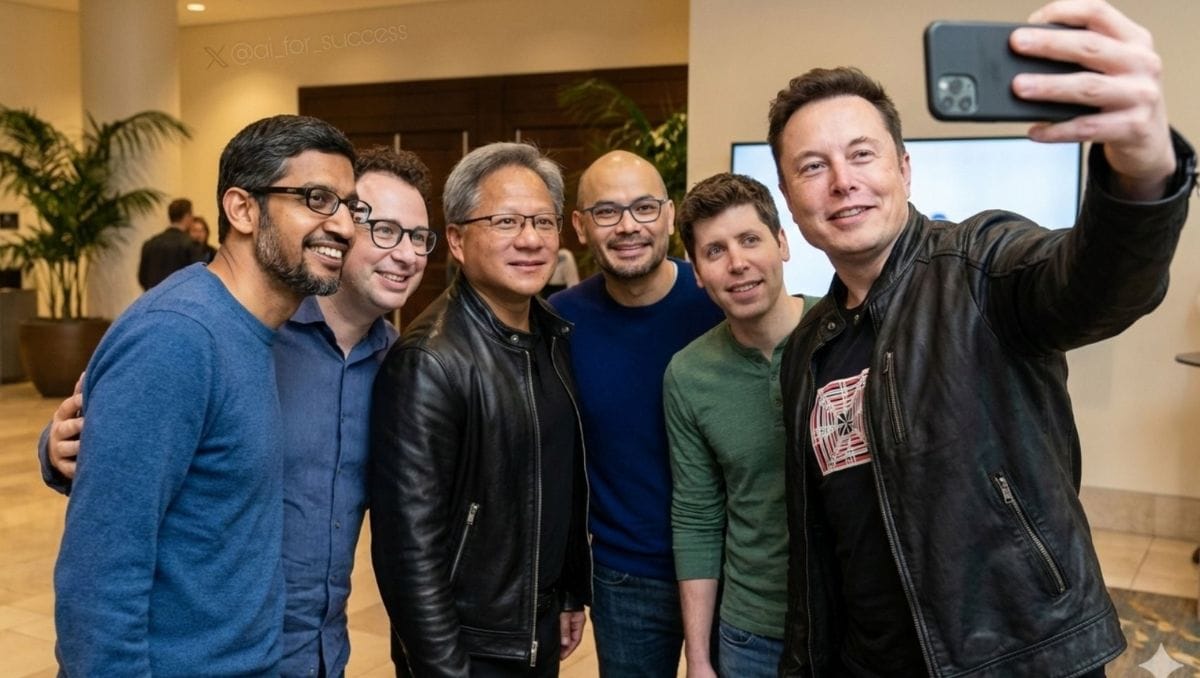
The money moved fast this year.
In 2025, the AI-driven stock boom added more than $500bn to the wealth of the top US tech figures. Bloomberg data shows the top 10 now hold nearly $2.5tn, up from $1.9tn a year ago, as AI stocks pushed markets to record highs.
Elon Musk’s net worth jumped almost 50% to $645bn, while Google founders Larry Page and Sergey Brin added roughly $102bn and $92bn. This is not a broad tech lift; it’s a narrow surge tied to AI optimism and a handful of companies investors believe will dominate.
Nvidia’s Jensen Huang alone gained $41.8bn, even after selling nearly $1bn in shares, as demand for AI chips drove the company to a $5tn valuation. The Bank of England is already warning that markets look stretched if AI expectations cool.
When confidence shifts, how much of this wealth stays real once the screens go dark?
The AI boom rests on one fragile bet

Two famous investors just walked away.
Peter Thiel’s fund sold its full $100m stake in Nvidia, and Michael Burry placed nearly a $200m bet against it. Their concern is not Nvidia alone, but an AI industry built on the idea that bigger models, more data, and more compute will keep delivering steady gains.
That assumption is starting to crack. Models are far larger than they were a few years ago, but they are not getting proportionally better, and the costs in power, data, and chips keep rising while returns flatten.
Hallucinations, failures on edge cases, and running out of high-quality training data all point to limits scaling cannot fix. If that’s true, many AI valuations depend less on technical progress and more on whether big companies can squeeze profit from data centers, ads, and user data before momentum fades.
If scaling has peaked, what happens when the bills keep coming anyway?
AI didn’t shrink creativity. It stretched it (New Research)
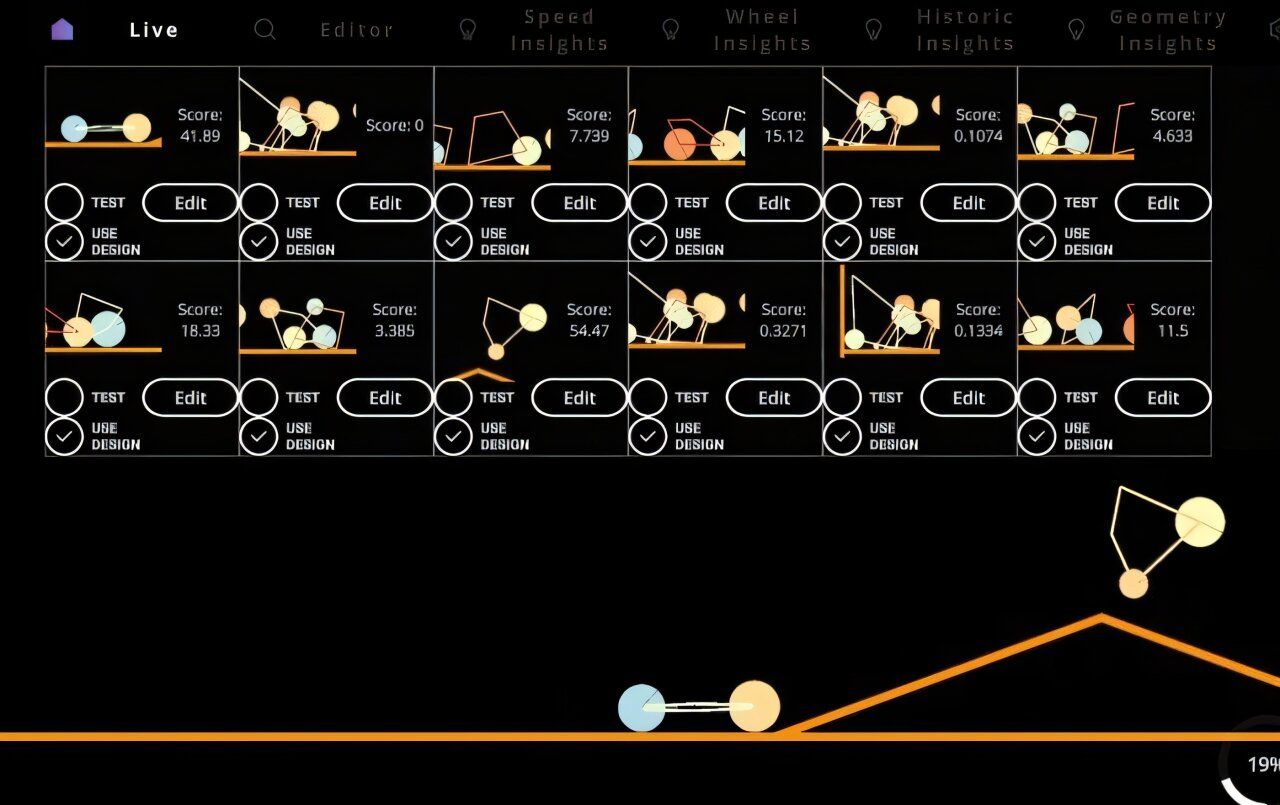
The study found people stayed longer and tried more.
Researchers at Swansea University ran an online experiment with over 800 participants using an AI system to design virtual cars. Instead of optimizing toward one best answer, the system showed a wide gallery of designs, including awkward and ineffective ones, using a method called MAP-Elites.
This matters because most AI tools push efficiency, and this one did the opposite. By slowing people down and putting strange options in front of them, it pulled users into the work and led to stronger final designs.
The paper, published in ACM Transactions on Interactive Intelligent Systems, argues current AI metrics miss what counts, like engagement and exploration. If that’s right, a lot of “successful” AI tools may be judged on the wrong signals.
If bad ideas help people think better, what should AI stop hiding from users?
Prohuman team
Covers emerging technology, AI models, and the people building the next layer of the internet. |  Founder |
Writes about how new interfaces, reasoning models, and automation are reshaping human work. |  Founder |
Free Guides
Explore our free guides and products to get into AI and master it.
All of them are free to access and would stay free for you.
Feeling generous?
You know someone who loves breakthroughs as much as you do.
Share The Prohuman it’s how smart people stay one update ahead.