- The Prohuman
- Posts
- Pentagon rolls out Gemini at scale
Pentagon rolls out Gemini at scale
Plus: Google folds MCP into its core stack


Rimsha Bhardwaj, Hasan Toor & Ihtesham Haider
December 11, 2025
In partnership with

Hello, Prohuman
Today, we will talk about these stories:
Google lands a rare military win
MCP becomes a first class Google interface
MiniMax and Zhipu line up listings
The Future of Shopping? AI + Actual Humans.

AI has changed how consumers shop by speeding up research. But one thing hasn’t changed: shoppers still trust people more than AI.
Levanta’s new Affiliate 3.0 Consumer Report reveals a major shift in how shoppers blend AI tools with human influence. Consumers use AI to explore options, but when it comes time to buy, they still turn to creators, communities, and real experiences to validate their decisions.
The data shows:
Only 10% of shoppers buy through AI-recommended links
87% discover products through creators, blogs, or communities they trust
Human sources like reviews and creators rank higher in trust than AI recommendations
The most effective brands are combining AI discovery with authentic human influence to drive measurable conversions.
Affiliate marketing isn’t being replaced by AI, it’s being amplified by it.
The Pentagon plugs Gemini into daily work

Image Credits: The Economic Times
Three million military desktops just got a new voice in their ear.
The Defense Department turned on Google’s Gemini for Government inside its GenAI.mil platform, marking the first wide deployment of a commercial generative model across the entire Pentagon. A July contract with a 200 million dollar ceiling set the stage, and now staff can run research, draft files, or sift video footage straight from their work machines.
What matters is the scope, since it signals a shift from sandbox tests to routine workflows that shape how the world’s largest bureaucracy moves information. One official described the rollout as flipping a breaker in a long hallway, each click lighting another office from Arlington to overseas posts.
Competitors like OpenAI, Anthropic, xAI, and Scale AI already have contracts, so pressure builds to see which tools earn a place inside GenAI.mil next. The race now hinges on speed, compliance, and who can flex at multiple classification levels.
Military tech rarely feels this visible, and the questions usually arrive faster than the answers.
Google turns MCP into a cloud wide socket

Image Credits: Google Cloud
Google just gave agents a cleaner way to touch its entire cloud.
The company rolled out fully managed MCP servers that sit on top of its existing APIs, meaning a Gemini client can now hit a single endpoint to reach Maps, BigQuery, GCE, GKE, and anything exposed through Apigee. Developers no longer need to run scattered local servers or piece together fragile community builds to make MCP work.
The shift matters because real agents need stable hooks into data and infrastructure, not hand built glue code that snaps under load. One engineer compared the old pattern to chasing a loose cable under a desk at 2 a.m., the fan from a nearby workstation blowing warm air while logs keep scrolling.
With Maps Grounding Lite, agents can check weather or routing in real time, while BigQuery access lets them run forecasts without moving a single row. GCE and GKE support means infrastructure can be provisioned or fixed by software that understands the environment instead of treating it as text.
Standards only stick when the pipes feel boring, and these pipes are finally getting there.
China’s AI upstarts move toward the market
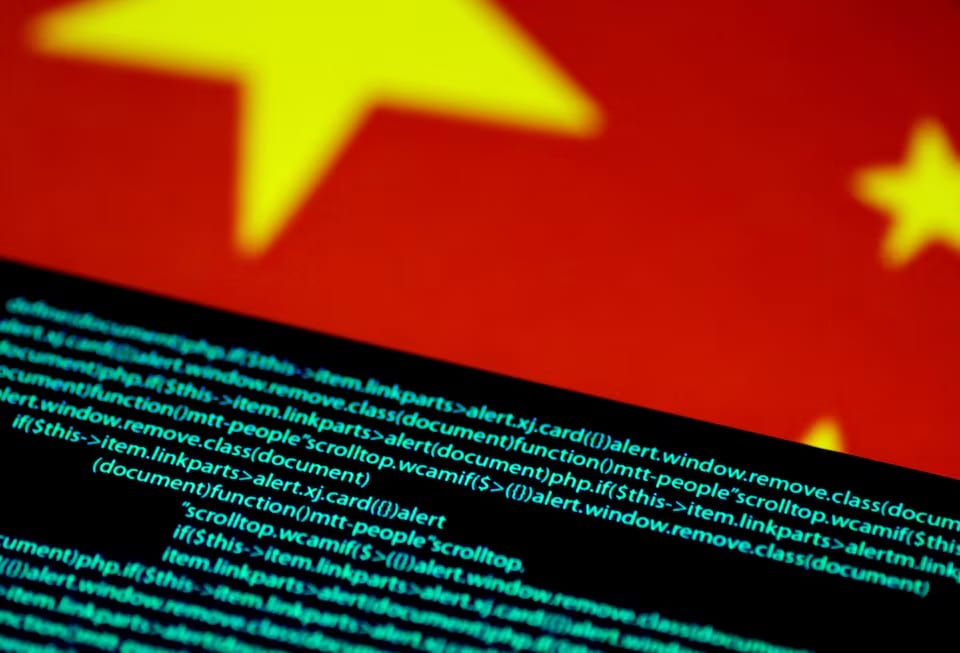
Image Credits: Reuters
Money is about to test China’s next model darlings.
MiniMax and Zhipu are preparing Hong Kong IPO filings that could land within weeks, a tight timeline that shows how quickly the sector is trying to turn private bets into public capital. Shanghai based MiniMax, backed by Alibaba and Tencent, is said to be aiming for a January debut that could pull in several hundred million dollars.
Investors have been watching both groups edge closer to OpenAI’s pace, and the filings will give the first hard look at their burn rates, model costs, and appetite for scale. One banker said the data rooms feel like a late night server room, fans humming while teams scrub every file.
If these deals price well, expect a queue of smaller model shops to test Hong Kong next since the exchange needs fresh tech stories to revive volume. A weak reception would chill the broader China AI funding cycle.
Still, a listing tells you only so much about who can stand the heat once real customers show up.
Prohuman team
Covers emerging technology, AI models, and the people building the next layer of the internet. |  Founder |
Writes about how new interfaces, reasoning models, and automation are reshaping human work. |  Founder |
Free Guides
Explore our free guides and products to get into AI and master it.
All of them are free to access and would stay free for you.
Feeling generous?
You know someone who loves breakthroughs as much as you do.
Share The Prohuman it’s how smart people stay one update ahead.