- The Prohuman
- Posts
- OpenAI pulls Neptune into its training stack
OpenAI pulls Neptune into its training stack
Plus: Google Photos leans on AI for your highlights


Rimsha Bhardwaj, Hasan Toor & Ihtesham Haider
December 04, 2025
In partnership with

Hello, Prohuman
Today, we will talk about these stories:
Why OpenAI wants Neptune’s debugging brain
Gemini now curates your 2025 Recap
Inside Dartmouth’s Anthropic and AWS deal
Run IRL ads as easily as PPC

AdQuick unlocks the benefits of Out Of Home (OOH) advertising in a way no one else has. Approaching the problem with eyes to performance, created for marketers with the engineering excellence you’ve come to expect for the internet.
Marketers agree OOH is one of the best ways for building brand awareness, reaching new customers, and reinforcing your brand message. It’s just been difficult to scale. But with AdQuick, you can plan, deploy and measure campaigns as easily as digital ads, making them a no-brainer to add to your team’s toolbox.
You can learn more at AdQuick.com
OpenAI is buying visibility into its own training loops
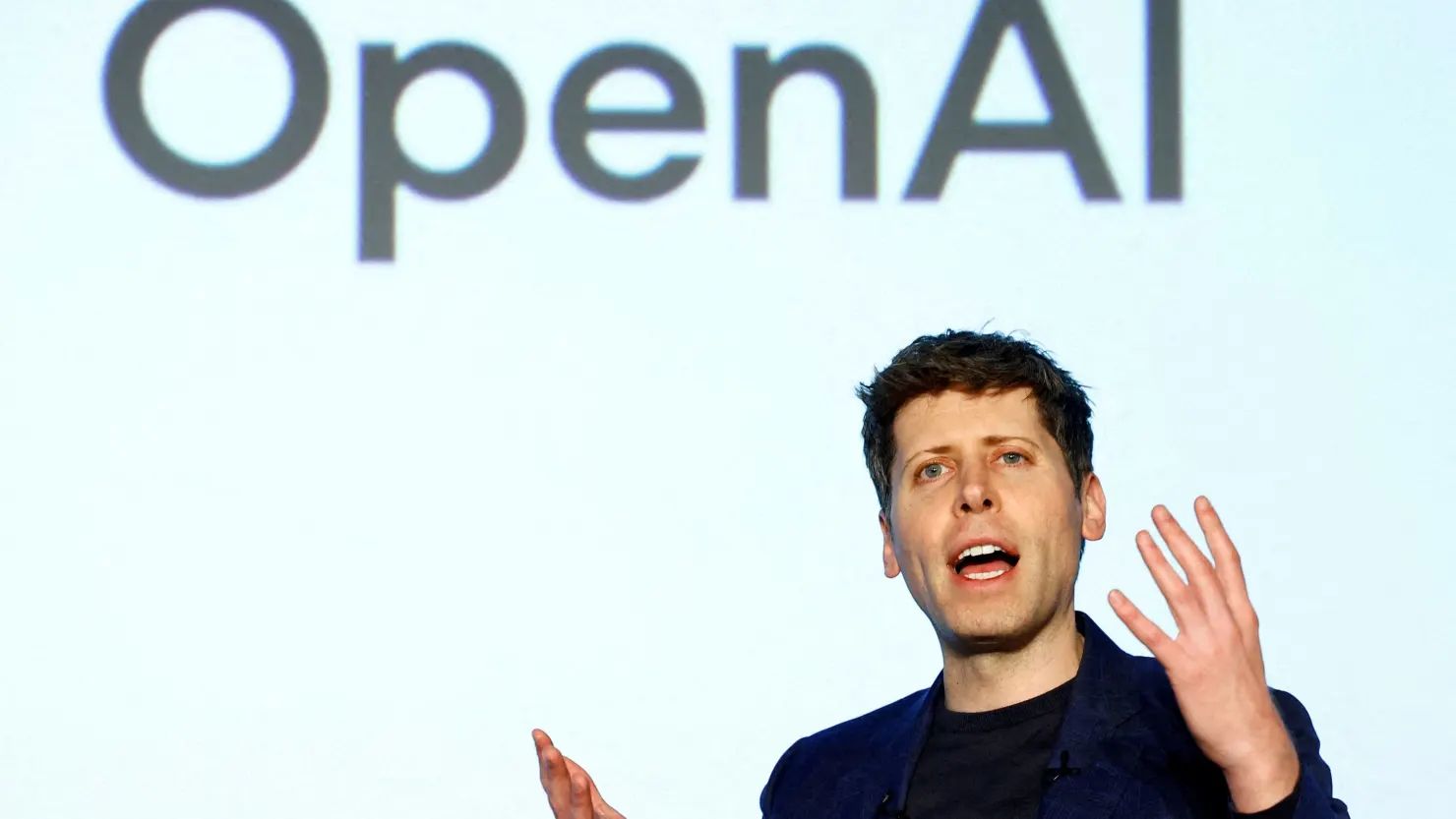
Image Credits: Reuters
OpenAI agreed to acquire Neptune, the niche startup behind monitoring and debugging tools used during model training. Neptune had already built a shared metrics dashboard with OpenAI, and the company will shut down external services as its team folds inside.
Researchers have been chasing clearer windows into sprawling training runs that can hide failures in millions of parameters, so bringing Neptune in house signals how aggressively OpenAI wants to see inside its own systems. It also adds weight to a year of steady acquisitions that range from a $1.1 billion deal for Statsig to a multibillion dollar pickup of Jony Ive’s hardware outfit.
The pattern points to a company stitching together infrastructure, interfaces, and now fine-grained telemetry as it tries to keep its edge. You can almost hear the quiet tick of dashboards refreshing in the background as the stack grows denser.
Somewhere in that hum is the hint of what OpenAI thinks it must control next.
Gemini is learning who you are through your camera roll
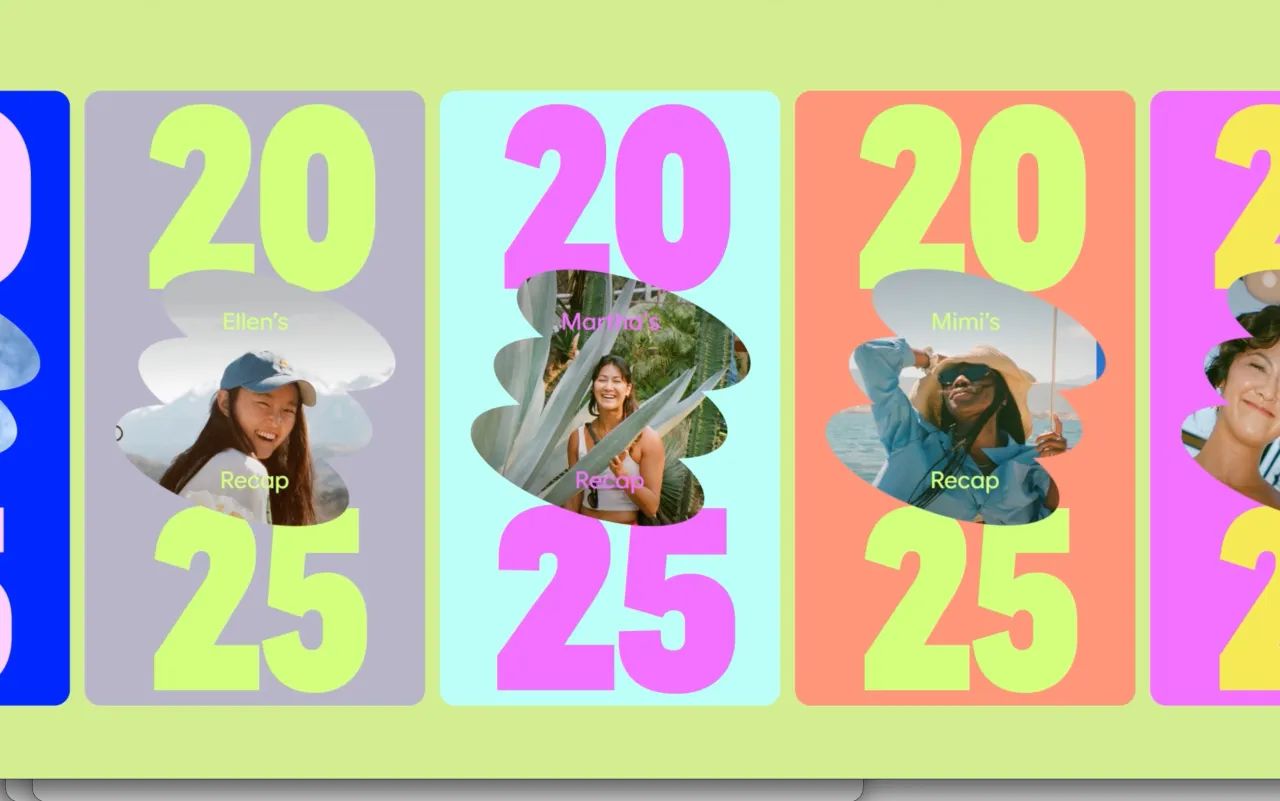
Image Credits: Google
The new Recap lands with the soft click of a phone unlocking in the dark.
Google Photos is rolling out its 2025 year-end review, and this time Gemini sorts through your archive to pick out a “one true passion,” four other highlights, and a stack of stats from total photos to selfie counts. U.S. users also get hobby-based summaries that lean on Gemini’s knack for pulling context from scattered images.
The move tells you how aggressively Google wants AI parsing the mundane details of everyday life, because a model that can spot your weekend rituals from JPEGs can also steer how you remember the year. The added integrations, like exporting straight to CapCut or pushing videos into WhatsApp Status, pull that curation deeper into the apps where people already talk.
Expect more pressure to refine your archive as hiding a face or photo now triggers a regenerated Recap, a quiet loop that nudges you to manage your digital memory. You might tap through it all and wonder what the model noticed that you did not.
Dartmouth treats AI as a teaching tool, not an escape hatch
Image Credits: Dartmouth
The announcement landed like a cold burst of December air off the Green.
Dartmouth signed a new partnership with Anthropic and AWS, giving campus access to Claude for Education and Amazon Bedrock while positioning itself as the first Ivy to deploy AI at institutional scale. The deal folds into a long arc that stretches back to the 1956 Dartmouth Summer Research Project.
Faculty want students handling AI the way they handle lab gear or archival sources, meaning they learn how it works, where it slips, and when to leave it untouched. One researcher described the goal as building technical fluency paired with judgment that comes from slow reading, hard writing, and careful analysis.
The ripple reaches everywhere, from career coaching that uses AI to evaluate job offers to labs modeling extreme weather or mapping political polarization. Even operations will shift as staff experiment with custom tools built on Bedrock, keycards clicking after hours as teams test new workflows.
The real question hangs in the quiet after the servers stop humming, asking how far a campus can push AI without dulling the habits it prizes most.
Prohuman team
Covers emerging technology, AI models, and the people building the next layer of the internet. |  Founder |
Writes about how new interfaces, reasoning models, and automation are reshaping human work. |  Founder |
Free Guides
Explore our free guides and products to get into AI and master it.
All of them are free to access and would stay free for you.
Feeling generous?
You know someone who loves breakthroughs as much as you do.
Share The Prohuman it’s how smart people stay one update ahead.