- The Prohuman
- Posts
- Nvidia challenges Tesla’s AI story
Nvidia challenges Tesla’s AI story
Plus: America’s new AI war push


Rimsha Bhardwaj, Hasan Toor & Ihtesham Haider
January 13, 2026
In partnership with

Hello, Prohuman
Today, we will talk about these stories:
Who really controls robot intelligence1
Apple calms AI fears with Gemini
The Pentagon puts AI at the center

The best marketing ideas come from marketers who live it.
That’s what this newsletter delivers.
The Marketing Millennials is a look inside what’s working right now for other marketers. No theory. No fluff. Just real insights and ideas you can actually use—from marketers who’ve been there, done that, and are sharing the playbook.
Every newsletter is written by Daniel Murray, a marketer obsessed with what goes into great marketing. Expect fresh takes, hot topics, and the kind of stuff you’ll want to steal for your next campaign.
Because marketing shouldn’t feel like guesswork. And you shouldn’t have to dig for the good stuff.
Nvidia goes after Tesla’s core bet

Image Credits: NVIDIA
This fight is happening below the hood.
Tesla’s roughly $1.4 trillion valuation is now tied less to cars and more to autonomy, robotaxis, and Optimus robots. Nvidia, valued around $4.6 trillion, used CES 2026 to position itself as the core platform for robots and autonomous machines, offering tools like Isaac GR00T, Cosmos, and Drive to more than 50 OEMs.
Tesla wants to own the whole machine, from silicon to factory floor, and that control is real. But Nvidia is aiming at something broader: becoming the default intelligence layer underneath everyone else’s robots, without touching manufacturing or regulation.
If Nvidia succeeds, physical AI economics tilt toward infrastructure, not products. Tesla can still win with tightly integrated systems, but its upside narrows if Nvidia becomes the standard nervous system across industries, quietly embedded in warehouses, construction sites, and factory lines.
When the intelligence is shared and the machines differ, where does the real leverage end up?
Apple outsources the hard AI part

Apple finally picked a side.
On Jan. 12, Apple confirmed a multiyear deal to base its next-generation AI models and the 2026 version of Siri on Google’s Gemini. Morningstar kept its $240 fair value estimate, noting the stock barely moved, which suggests the market expected this.
This is Apple admitting it does not need to win the model race to protect its business. I think this is a practical call: Apple stays focused on products, privacy, and integration while letting Google handle the heavy model work inside Apple’s own data centers.
The glass-front Apple Store looks the same. That matters.The partnership stabilizes the ecosystem but does not change the growth curve on its own. Unless Gemini-driven features push users to buy higher-memory iPhones, this looks defensive rather than catalytic.
If great AI runs quietly in the background, will users ever notice enough to upgrade?
Pentagon goes all-in on military AI
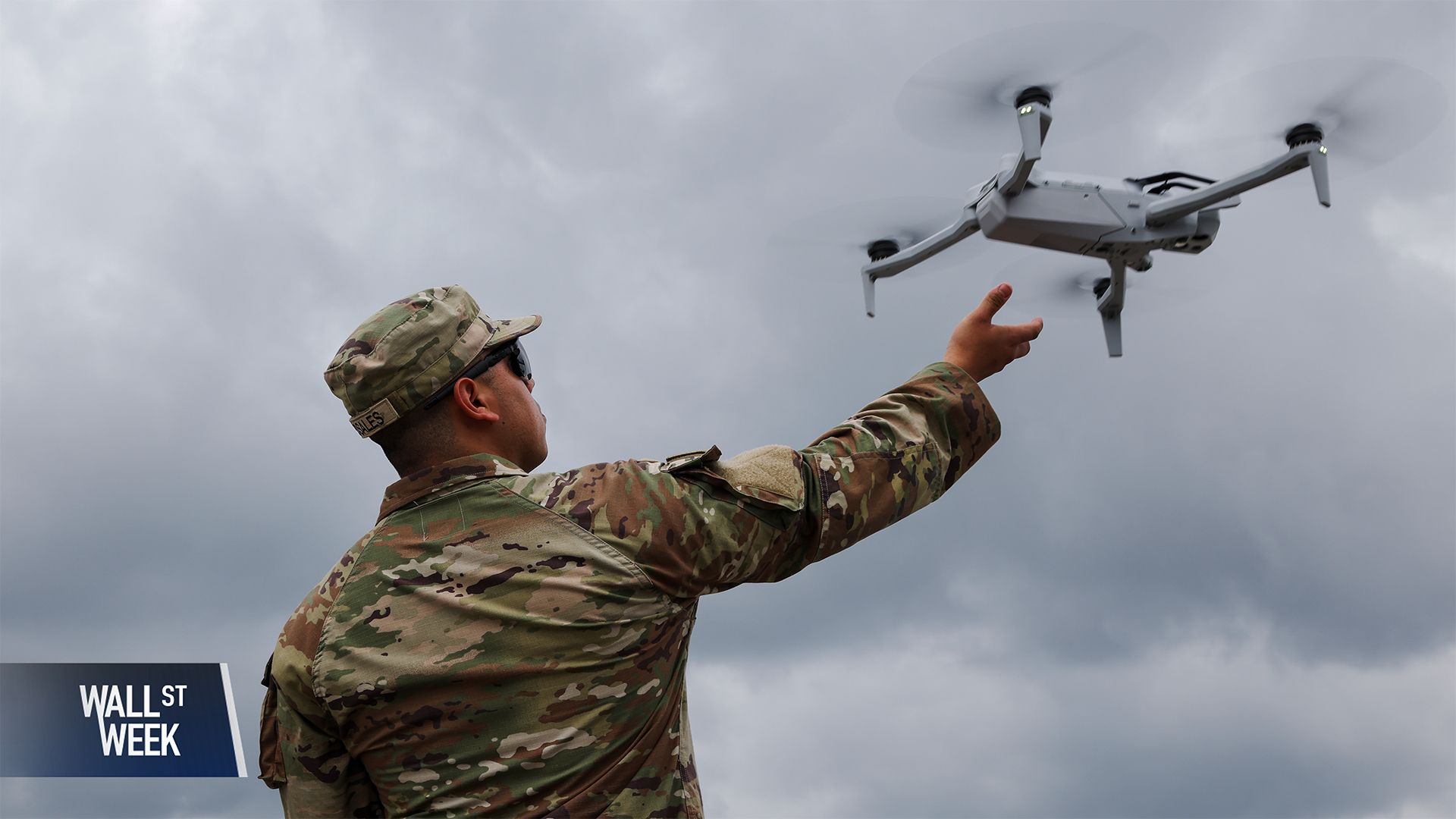
Image Credits: Bloomberg
The defence secretary announced this standing inside SpaceX’s Starbase.
Pete Hegseth unveiled a Pentagon strategy pushing for what he called unquestioned US military AI dominance. The plan includes integrating Elon Musk’s chatbot Grok into Pentagon networks later this month, alongside Google’s systems, and applies across warfighting, intelligence, and daily operations for roughly 3 million personnel.
This reads less like a tech roadmap and more like a cultural reset inside the US military, with bureaucracy framed as the main enemy. I think the bigger shift is symbolic: Silicon Valley tools are no longer adjacent to defence work, they are being pulled directly inside the system.
China is never named, but the December Pentagon report on PLA AI makes the target obvious. The gap now depends less on models and more on who can deploy them faster inside real command structures, under pressure, at night, with consequences.
Once chatbots sit on classified networks, where does the line between civilian tech and military infrastructure actually sit?
Prohuman team
Covers emerging technology, AI models, and the people building the next layer of the internet. |  Founder |
Writes about how new interfaces, reasoning models, and automation are reshaping human work. |  Founder |
Free Guides
Explore our free guides and products to get into AI and master it.
All of them are free to access and would stay free for you.
Feeling generous?
You know someone who loves breakthroughs as much as you do.
Share The Prohuman it’s how smart people stay one update ahead.