- The Prohuman
- Posts
- Lenovo shows its AI hand at CES
Lenovo shows its AI hand at CES
Plus: PepsiCo tests AI twins inside factories


Rimsha Bhardwaj, Hasan Toor & Ihtesham Haider
January 07, 2026
In partnership with

Hello, Prohuman
Today, we will talk about these stories:
Lenovo leans on Nvidia to speed AI data centers
PepsiCo brings Nvidia into the plant
Lawmakers eye AI toys for kids

The best marketing ideas come from marketers who live it.
That’s what this newsletter delivers.
The Marketing Millennials is a look inside what’s working right now for other marketers. No theory. No fluff. Just real insights and ideas you can actually use—from marketers who’ve been there, done that, and are sharing the playbook.
Every newsletter is written by Daniel Murray, a marketer obsessed with what goes into great marketing. Expect fresh takes, hot topics, and the kind of stuff you’ll want to steal for your next campaign.
Because marketing shouldn’t feel like guesswork. And you shouldn’t have to dig for the good stuff.
Lenovo moves closer to the AI core

Lenovo is trying to make AI infrastructure feel routine.
At CES in Las Vegas, Lenovo said it is teaming up with Nvidia to help AI cloud providers get data centers running in weeks instead of months, using liquid-cooled systems paired with Nvidia platforms. It also unveiled Qira, a personal AI system meant to run quietly across Lenovo and Motorola devices, plus concept AI glasses and an assistant wearable.
This is Lenovo saying it does not want to stay boxed into PCs and servers while Nvidia defines the center of gravity. The Nvidia tie-up matters more than the gadgets because it puts Lenovo inside real buying decisions, where deployment time and power costs decide deals.
If Lenovo can actually shorten data center buildouts, it gives cloud providers a practical reason to pick its hardware over rivals. It also deepens Nvidia’s role as the gatekeeper for serious AI infrastructure.
The question is whether “weeks” holds up once the lights are on and the racks start humming.
California moves to pause AI toys
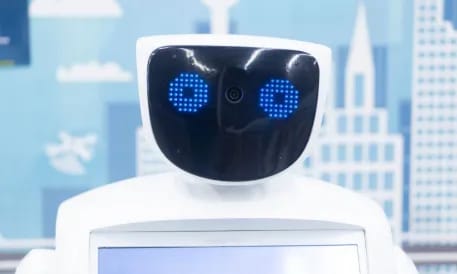
Lawmakers are worried about toys that talk back.
A California state senator introduced a bill that would ban the sale and manufacture of AI chatbot toys for kids under 18 for four years. The bill, SB 867, is meant to give regulators time to write safety rules after reports of harmful chatbot interactions and lawsuits tied to children’s deaths by suicide.
This is a blunt move, but it reflects how little trust lawmakers have in guardrails that companies promise to build later. When toys can be nudged into talking about knives, sex, or ideology, the argument that this is still experimental tech stops working.
If California passes this, toy makers and AI firms may rethink whether kids are worth the regulatory risk at all. It also sets a template other states can copy, especially since child safety laws were carved out of recent federal pushback on AI regulation.
A toy shelf is quiet at night. The harder question is who should decide when it starts talking.
PepsiCo takes AI off the slide deck

This is not a demo.
At CES 2026 in Las Vegas, PepsiCo said it is working with Siemens and Nvidia to use digital twins and AI to redesign factories and warehouses before anything is built. Early U.S. pilots simulate machines, conveyors, pallets, and worker paths using Siemens software on Nvidia Omniverse.
What matters is that this is aimed at existing plants, not greenfield fantasies, and PepsiCo says it already saw a 20 percent throughput increase and 10 to 15 percent lower capex. When a consumer staples company is willing to trust physics-based simulations to catch 90 percent of problems before a wrench is turned, that signals real operational buy-in.
If this holds up beyond pilots, digital twins stop being a tech showcase and start becoming standard planning infrastructure for large manufacturers. It also pulls Nvidia deeper into industrial budgets, far from GPUs for training models.
The factory floor is loud and unforgiving. The open question is how often the model matches the mess.
Prohuman team
Covers emerging technology, AI models, and the people building the next layer of the internet. |  Founder |
Writes about how new interfaces, reasoning models, and automation are reshaping human work. |  Founder |
Free Guides
Explore our free guides and products to get into AI and master it.
All of them are free to access and would stay free for you.
Feeling generous?
You know someone who loves breakthroughs as much as you do.
Share The Prohuman it’s how smart people stay one update ahead.