- The Prohuman
- Posts
- How to build AI products with vibe coding
How to build AI products with vibe coding
Plus: Alexa+ pushes deeper into shopping, Google's AI, and a masterclass on how to build sellable AI products


Rimsha Bhardwaj, Hasan Toor & Ihtesham Haider
December 10, 2025
Hello, Prohuman
Today, we will talk about these stories:
The gap between AI hype and impact
The new checkout loop inside Alexa+
Rivian’s quiet AI bet surfaces
Imagine creating browser extensions, mobile apps, plugins, and micro-SaaS — all without writing a single line of traditional code.
That’s the power of Vibe Coding, a brand-new way of building with AI.
In this 3-hour Masterclass, you’ll learn how to turn your ideas into fully working apps using the most powerful AI tools — Lovable, Bolt, Cursor, Replit, Claude, Supabase and more.
🔥 What You’ll Experience:
Turn raw ideas into real apps (live demo)
Build using beginner-friendly AI platforms
Create your first AI-built app during the session
Discover how Vibe Coding helps you build 10x faster
No coding. No technical background. No complexity.
🎯 Join the Masterclass and learn to build real AI products.
AI is shifting work in ways time sheets miss
Image Credits: Google
Google just dropped a workplace study that feels like flipping on a fluorescent office light at 7 a.m.
Its global survey of executives, decision makers, and knowledge workers shows that the organizations leaning hardest into AI report sharper gains in innovation, creativity, and workflow design than in raw minutes saved. One stat jumps out first, a 57 percent boost in innovation among highly transformed teams.
The framing matters because it pushes AI out of the productivity silo and into the realm of how companies think, build, and respond to pressure. And when workers say creativity rises by 65 percent while mundane tasks fall by 39 percent, that signals a cultural shift that leadership usually struggles to quantify.
These numbers also hint at a widening gap between firms experimenting at the edges and those rebuilding core processes around AI. The second group may start pulling away as early as next year when procurement cycles and tooling budgets catch up.
Somewhere in that report is a quiet reminder that the real bottleneck is not the model, it is how people choose to work with it.
Alexa+ moves closer to the cash register
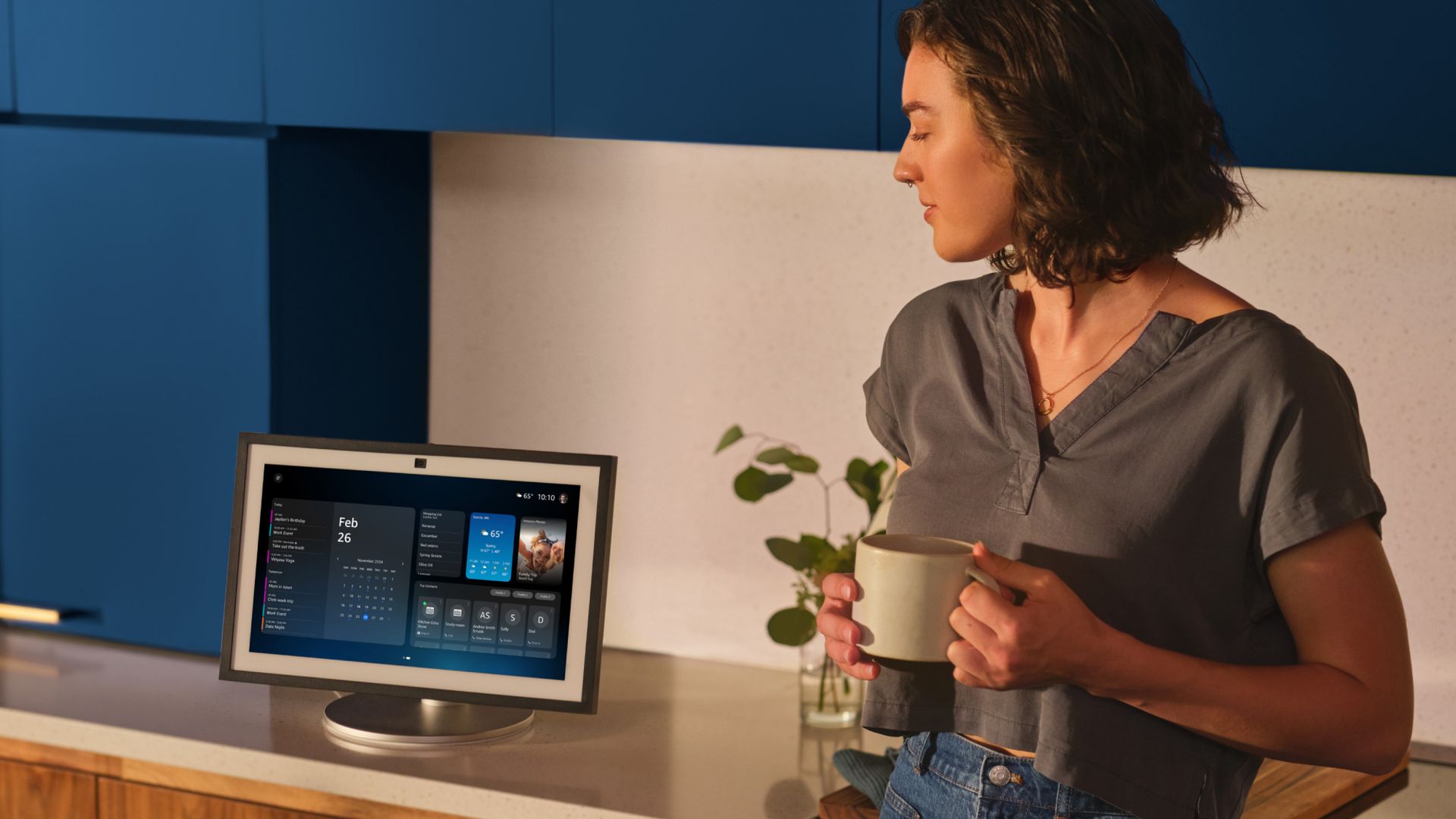
Image Credits: Amazon
Amazon just taught Alexa+ a few tricks that sound like the rustle of a package on the porch.
Echo Show 15 and 21 devices now open a Shopping Essentials dashboard where you can track deliveries in real time, tap into recent orders, and add items straight to your cart, all triggered by a simple “Alexa, where’s my stuff”. It pairs with features like automated deal alerts and price-triggered purchases that already reach tens of millions of users.
The shift marks Amazon’s latest attempt to turn voice intent into actual commerce, a conversion it has chased for years without much traction. Yet giving shoppers a visual hub, plus the ability to slip items into an outgoing order until the warehouse clock runs out, changes the rhythm of how people buy.
This tighter loop also gives Amazon a clearer read on household habits, sharpening recommendations and gift ideas that now appear directly on the screen. And the company says only a sliver of users have backed away from Alexa+.
Some nights the blue ring glows like a small reminder that Amazon still wants to be the place you shop without thinking.
Rivian trains its own voice inside the cabin

Image Credits: Rivian
The company has been building an AI assistant in near silence for two years.
Rivian plans to show more during its AI and Autonomy Day livestream at 9 a.m. PT on December 11, hinting at a system wired into everything from thermal controls to infotainment. The work sits apart from its 5.8 billion dollar Volkswagen joint venture.
What stands out is the scale of the in-house stack, which mixes custom models with an orchestration layer built to referee conflicts across the vehicle. It started in a Palo Alto office where engineers spent months tuning control logic that touches every subsystem.
This creates a split system that leans on edge compute for quick tasks and reaches for the cloud when heavier models are needed, a design that could change how drivers feel the car respond under their hands. Yet the assistant remains internal, even as the VW partnership moves toward supplying software across the group in 2027.
You can almost hear the click of a turn signal waiting for its new conductor.
Prohuman team
Covers emerging technology, AI models, and the people building the next layer of the internet. |  Founder |
Writes about how new interfaces, reasoning models, and automation are reshaping human work. |  Founder |
Free Guides
Explore our free guides and products to get into AI and master it.
All of them are free to access and would stay free for you.
Feeling generous?
You know someone who loves breakthroughs as much as you do.
Share The Prohuman it’s how smart people stay one update ahead.