- The Prohuman
- Posts
- Gemini 3.1 Pro rolls out in preview
Gemini 3.1 Pro rolls out in preview
Plus: Banks test an AI software engineer


Rimsha Bhardwaj, Hasan Toor & Ihtesham Haider
February 20, 2026
In partnership with

Hello, Prohuman
Today, we will talk about these stories:
Google upgrades Gemini’s core model
Why vascular AI stalls at the bedside
AI agents target legacy bank code
How To Generate Quality Images With AI

These prompts will transform how you create with AI.
Get 100+ pro-level assets in minutes with our AI prompt workflow.
Inside you’ll discover:
The exact AI workflows used to generate 100+ quality assets
How to save hours creating marketing images with AI
A smart prompt system used to help scale creative and save on production cost
Download your creative workflow today.
Google sharpens Gemini’s reasoning core
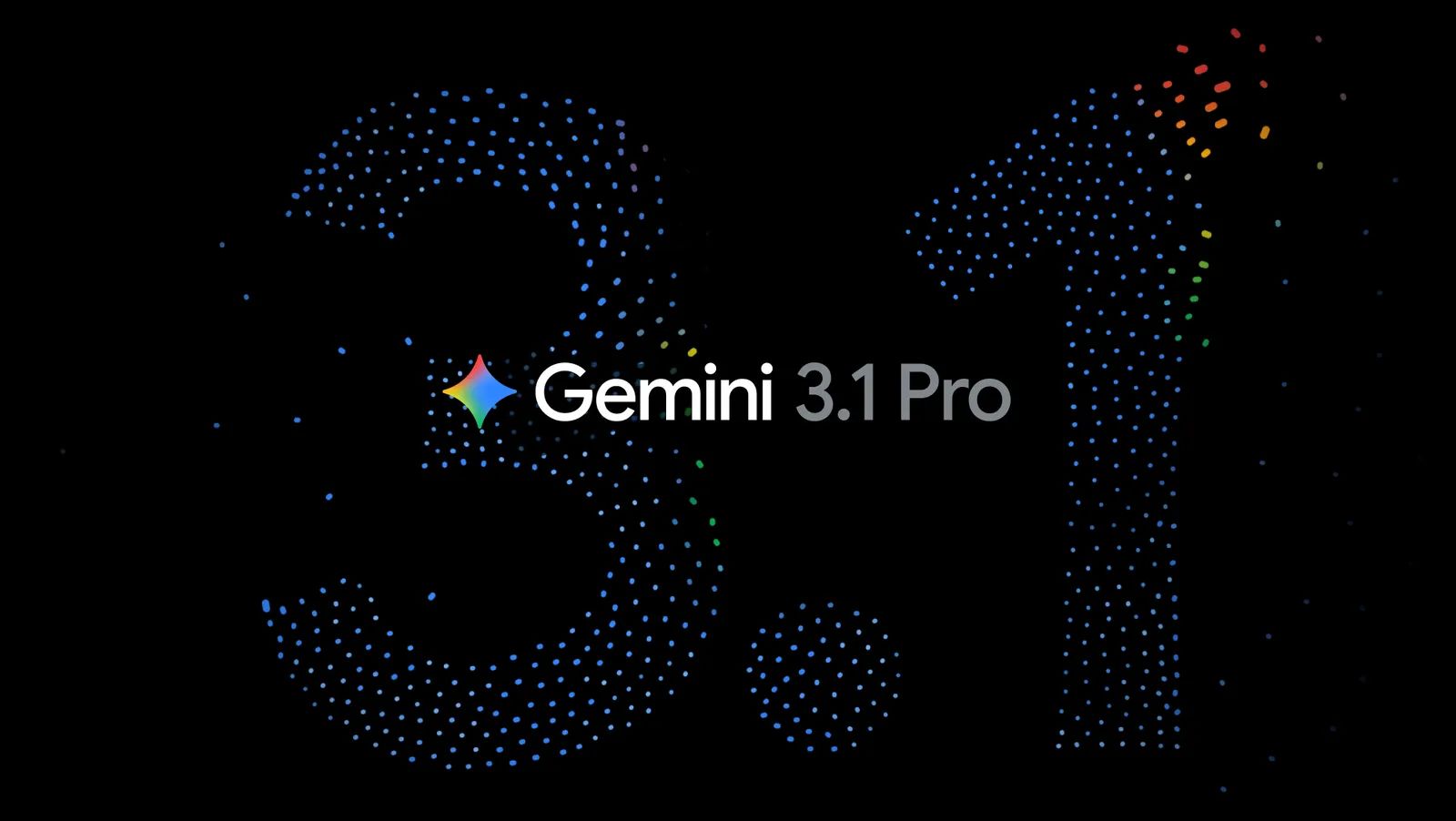
Image Credits: Google
Gemini 3.1 Pro scored 77.1% on ARC-AGI-2, more than double 3 Pro.
Google is rolling the model out in preview across its stack, from the Gemini app and NotebookLM to Vertex AI, Android Studio, and the Gemini API. It is positioning 3.1 Pro as the new baseline for complex reasoning, including logic tasks and code generation like website ready animated SVGs.
This is a broad push. It touches consumers, developers, and enterprises at the same time. The 77.1% benchmark score matters because ARC-AGI-2 tests new logic patterns, which is closer to how messy real work feels at 6 p.m. under office lights. Google is telling developers that reasoning gains are now practical, not just lab wins.
I think the quiet shift is distribution. When a model upgrade lands simultaneously in AI Studio, Vertex AI, and a consumer app, it pressures teams to build around it quickly. Higher usage limits for AI Pro and Ultra users signal Google wants heavier, more frequent use. If agentic workflows improve next, this becomes infrastructure.
The question is how much of this new reasoning shows up in everyday work, not just benchmarks.
Vascular AI has a business problem

An AI ultrasound tool let nurses detect aneurysms without formal training.
Ben Li argues that vascular AI models now perform well across imaging, risk prediction, and perioperative support, yet few make it into routine care. In one prospective study, an AI guided abdominal aortic aneurysm screening system helped non experts acquire diagnostic images with high sensitivity and specificity through real time probe feedback.
That is real progress. The bottleneck is not model accuracy. It is funding for regulatory work, reimbursement pathways, cybersecurity, postmarket surveillance, and the slow process of getting into clinical guidelines.
I think he is right to frame commercialisation as part of research rather than something that happens after publication, because most academic teams are not built to carry a product through device approval and payment negotiations.
If payers and guideline committees are not engaged early, strong tools will stay in journals while clinics run as usual at 7 a.m. on a busy screening day. The next phase of vascular AI will be decided less by benchmarks and more by health economics.
Who in an academic lab is actually responsible for getting a model paid for?
Banks are trialing autonomous coding agents

Image Credits: Synechron
Synechron is putting an autonomous AI engineer inside bank upgrade projects.
The firm has partnered with Cognition to integrate Devin, an AI software engineer, into its delivery work for financial institutions. Early joint research claims shorter upgrade times and smoother testing, with pilots planned for programming language upgrades, mainframe modernisation, and data migration.
This is aimed squarely at legacy systems. Banks have talked about modernisation for years while old code keeps humming in basement data centers. If Devin can actually reason over complex enterprise codebases and work within regulatory constraints, that is more meaningful than another cloud migration slide deck.
I am cautious about vendor led “strong results” without hard numbers, especially in environments where compliance reviews can stall a project for months. Certified engineers will supervise deployments, which tells you banks still want humans accountable at the keyboard. If this works, consulting firms become AI operators as much as coders.
The real test is whether regulators accept code touched by an autonomous agent.
Prohuman team
Covers emerging technology, AI models, and the people building the next layer of the internet. |  Founder |
Writes about how new interfaces, reasoning models, and automation are reshaping human work. |  Founder |
Free Guides
Explore our free guides and products to get into AI and master it.
All of them are free to access and would stay free for you.
Feeling generous?
You know someone who loves breakthroughs as much as you do.
Share The Prohuman it’s how smart people stay one update ahead.