- The Prohuman
- Posts
- Frontier aims to make AI agents deployable
Frontier aims to make AI agents deployable
Plus: Tinder’s AI wants to end the endless swipe


Rimsha Bhardwaj, Hasan Toor & Ihtesham Haider
February 06, 2026
In partnership with

Hello, Prohuman
Today, we will talk about these stories:
OpenAI’s Frontier is enterprise agent ops
Tinder uses AI and Camera Roll for matchmaking
Armtek on AI for spare parts chaos
Learn how to make every AI investment count.
Successful AI transformation starts with deeply understanding your organization’s most critical use cases. We recommend this practical guide from You.com that walks through a proven framework to identify, prioritize, and document high-value AI opportunities.
In this AI Use Case Discovery Guide, you’ll learn how to:
Map internal workflows and customer journeys to pinpoint where AI can drive measurable ROI
Ask the right questions when it comes to AI use cases
Align cross-functional teams and stakeholders for a unified, scalable approach
Frontier is OpenAI’s enterprise agent control plane
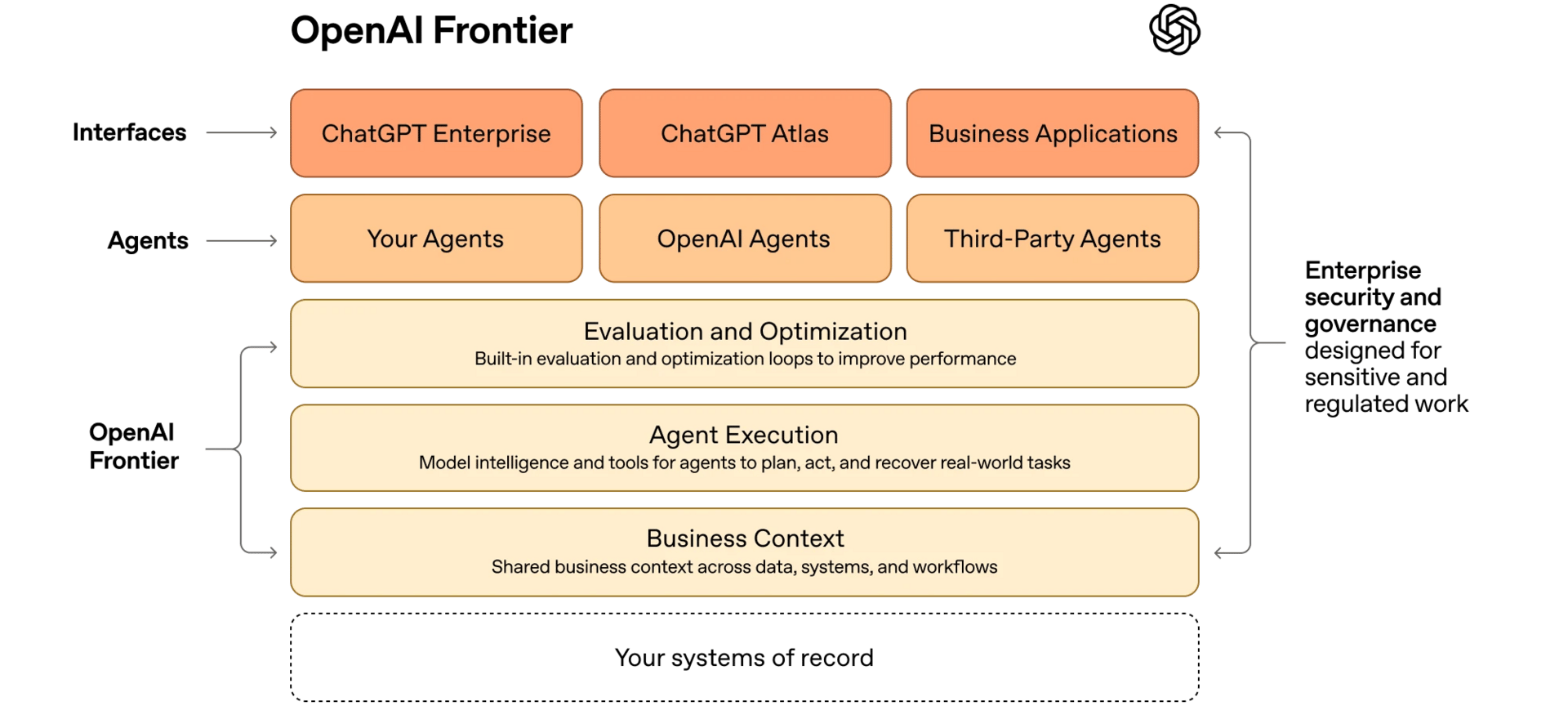
Image Credits: Open AI
OpenAI is selling the missing middle of agent deployment.
Frontier is a new enterprise platform to build, deploy, and manage AI agents with shared context, evaluation, and permissioning across existing systems and clouds. OpenAI says it has seen this pattern across 1 million businesses, and claims examples like agents cutting a six-week optimization cycle to one day and boosting an energy producer’s output by up to 5%.
This is a governance product. The hard part is rollout. The pitch is that model quality is no longer the bottleneck, and that the real blocker is fragmented data, one-off integrations, and unclear boundaries for what agents can touch. “Something new ships roughly every three days” reads like a warning to CIOs that platform discipline matters more than chasing the next model release.
If Frontier lands, it could push agent work into standard IT procurement and security review instead of skunkworks pilots. Adoption names like Oracle, Uber, and State Farm are a signal that big regulated shops want one place to set rules.
In a fluorescent-lit operations meeting, who will own the agent’s mistakes: IT, the business lead, or the vendor?
Tinder tries to replace swiping with AI curation
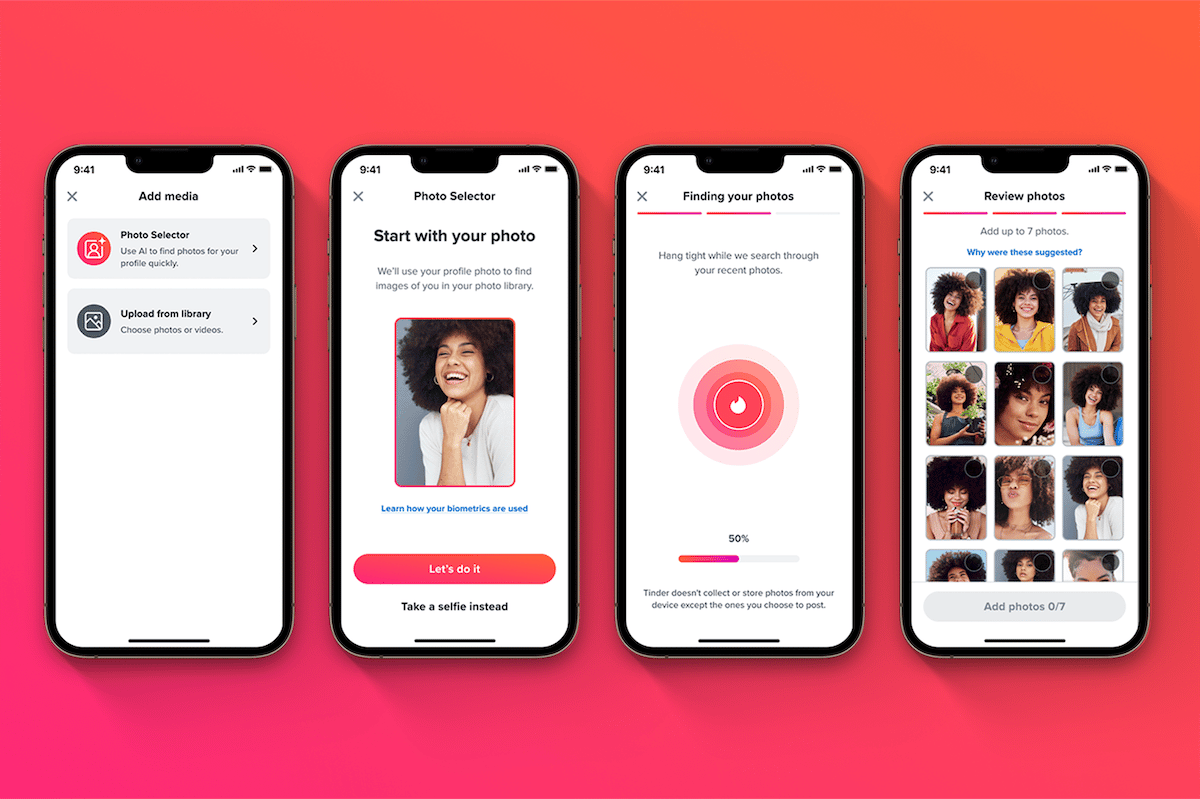
Image Credits: Tinder
Tinder is admitting the swipe is wearing people out.
Match is testing an AI feature called Chemistry, currently in Australia, meant to reduce “swipe fatigue” by getting to know users through questions and, if they allow it, by looking at their phone’s Camera Roll. CEO Spencer Rascoff framed it as a way to give users “a single drop or two” of matches instead of “many, many profiles,” as Tinder deals with declines like registrations down 5% year-over-year and monthly active users down 9% in the quarter.
This is a product reset wrapped in AI language. The real bet is that Tinder can shift from a slot-machine feed to something that feels intentional without killing the feeling that you’re in control. Camera Roll access is the line: it might improve relevance, but it also asks for a level of trust dating apps haven’t earned lately.
If Chemistry works, it changes Tinder’s signature mechanic and puts more pressure on rivals still selling “more swipes” as the solution. If it doesn’t, it’ll read like another attempt to patch retention while the core experience stays exhausting.
How many people will hand over their photos just to get fewer profiles?
AI is cleaning up spare parts complexity

The unglamorous part of autos is where AI can actually pay off.
Armtek’s CHRO Pavel Frolov argues AI is improving the auto aftermarket by reducing errors and speeding up parts matching across millions of SKUs. The piece points to NLP, computer vision, and knowledge graphs to identify the right part despite supplier variations, mid-production changes, and regional rules, and says AI forecasting now blends historical sales, vehicle parc trends, and EV penetration to rebalance inventory and avoid overstock.
This is less about flashy AI and more about fixing messy data and process handoffs in warehouses, dealer counters, and ERP systems. When a wrong part shows up, you feel it in the waiting room: extra days, extra calls, a tech stuck on a lift. If AI can cut mismatch rates, it’s real value, even if nobody puts it on a billboard.
EVs make forecasting harder in a different way: fewer parts overall, but higher complexity and more volatility by region. The biggest constraint sounds human, not technical: skill gaps, inconsistent data, and legacy ERP integration.
If the data stays fragmented, how far can “smarter matching” really go before it hits a wall?
Prohuman team
Covers emerging technology, AI models, and the people building the next layer of the internet. |  Founder |
Writes about how new interfaces, reasoning models, and automation are reshaping human work. |  Founder |
Free Guides
Explore our free guides and products to get into AI and master it.
All of them are free to access and would stay free for you.
Feeling generous?
You know someone who loves breakthroughs as much as you do.
Share The Prohuman it’s how smart people stay one update ahead.