- The Prohuman
- Posts
- Ford brings AI into the app first
Ford brings AI into the app first
Plus: Learn how to build complete SaaS apps using vibe coding tools (masterclass for everyone)


Rimsha Bhardwaj, Hasan Toor & Ihtesham Haider
January 08, 2026
Hello, Prohuman
Today, we will talk about these stories:
Ford bets on software, quietly
Arm makes its robotics move
Zhipu’s IPO puts a face on China AI
Learn Vibe coding here
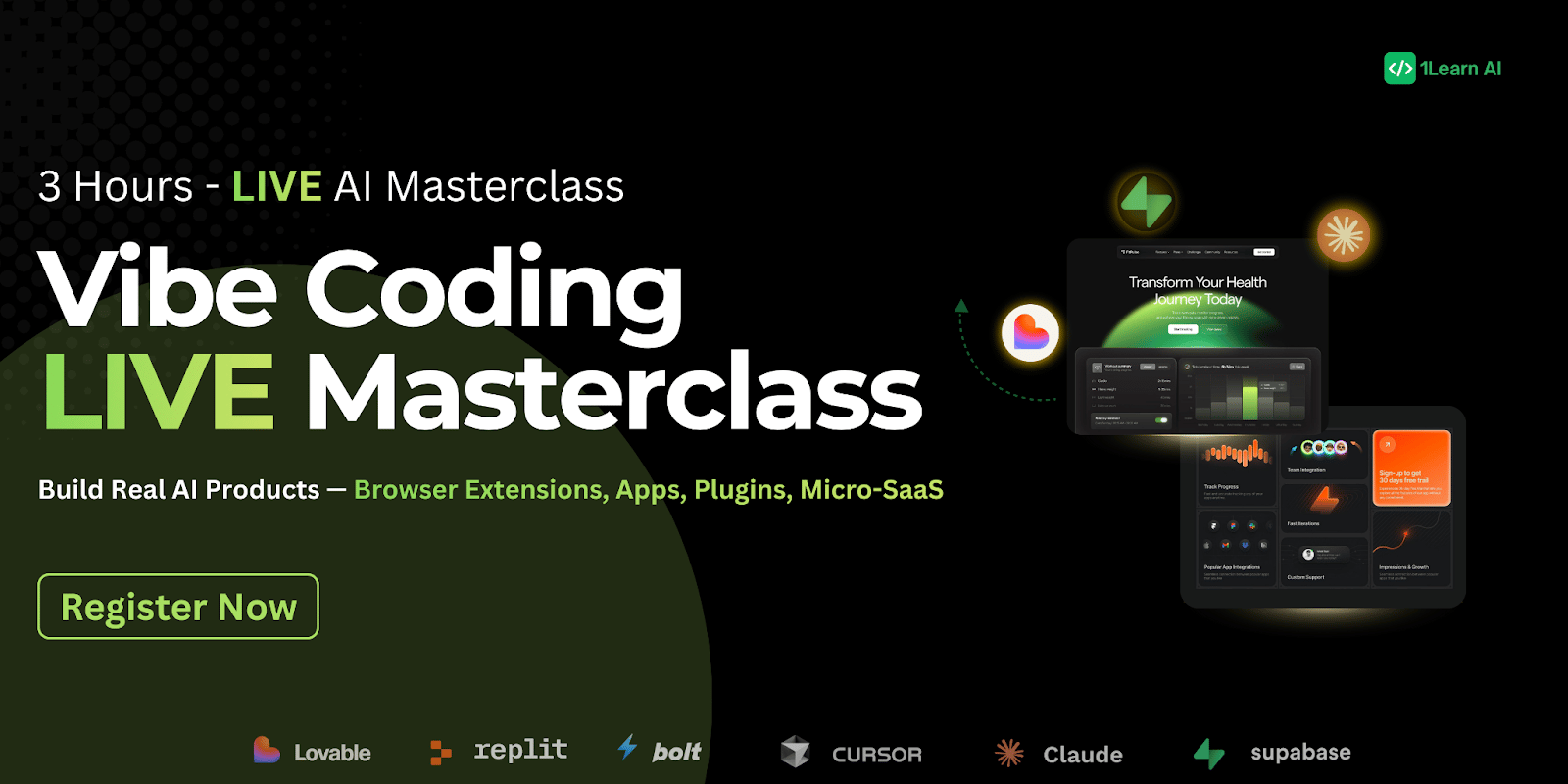
Imagine creating browser extensions, mobile apps, plugins, and micro-SaaS — all without writing a single line of traditional code.
That’s the power of Vibe Coding, a brand-new way of building with AI.
In this 3-hour LIVE Masterclass, you’ll learn how to turn your ideas into fully working apps using the most powerful AI tools — Lovable, Bolt, Cursor, Replit, Claude, Supabase and more.
What You’ll Experience:
Turn raw ideas into real apps (live demo)
Build using beginner-friendly AI platforms
Create your first AI-built app during the session
Discover how Vibe Coding helps you build 10x faster
No coding. No technical background. No complexity.
🎯 Join the Masterclass and learn to build real AI products.
Ford is pacing its AI ambitions
Ford talked about AI without the big stage.
At CES, Ford said it is launching an AI assistant inside its smartphone app in early 2026, with in-car integration coming in 2027. It also teased a next-generation BlueCruise system that is 30% cheaper to build and aimed at eyes-off driving by 2028, starting on a mid-sized electric pickup from its low-cost EV platform.
What stands out is the order. Ford is testing the assistant in the app first, using Google Cloud and off-the-shelf language models, instead of rushing straight into the dashboard where mistakes are louder and riskier. This feels cautious, but also realistic for a company that has to support millions of aging vehicles, not just early adopters.
BlueCruise getting cheaper matters more than flashier demos, because cost is what decides how widely this tech spreads. If Ford can deliver point-to-point driving while keeping drivers responsible, it stays competitive with Tesla and Rivian without overpromising.
The future Ford showed was quiet, incremental, and unfinished, which may be the most honest signal it sent all week.
Zhipu’s IPO is a political milestone

Image Credits: Bloomberg
A Beijing-backed AI lab just rang the Hong Kong bell.
Zhipu, founded in 2019, raised $558 million in its Hong Kong IPO and traded about 10% above its offer price of HK$116.20. It is the first major Chinese large language model company to go public, valued around HK$4.3 billion, and it sits on the U.S. Commerce Department’s Entity List.
What stands out is not the pop. It is that Beijing let this one go first, even with U.S. restrictions, export controls, and a revenue base of just 312.4 million yuan last year. This looks less like a pure market event and more like a signal that China wants public capital behind its core AI builders.
Zhipu plans to spend 70% of the proceeds on R&D, which tells you growth is still the story, not profits. With MiniMax expected to follow, Hong Kong may become the testing ground for how investable China’s AI sector really is under pressure.
The screens lit up green today, but the harder test comes when the funding cycle slows.
Arm is organizing for the robot economy
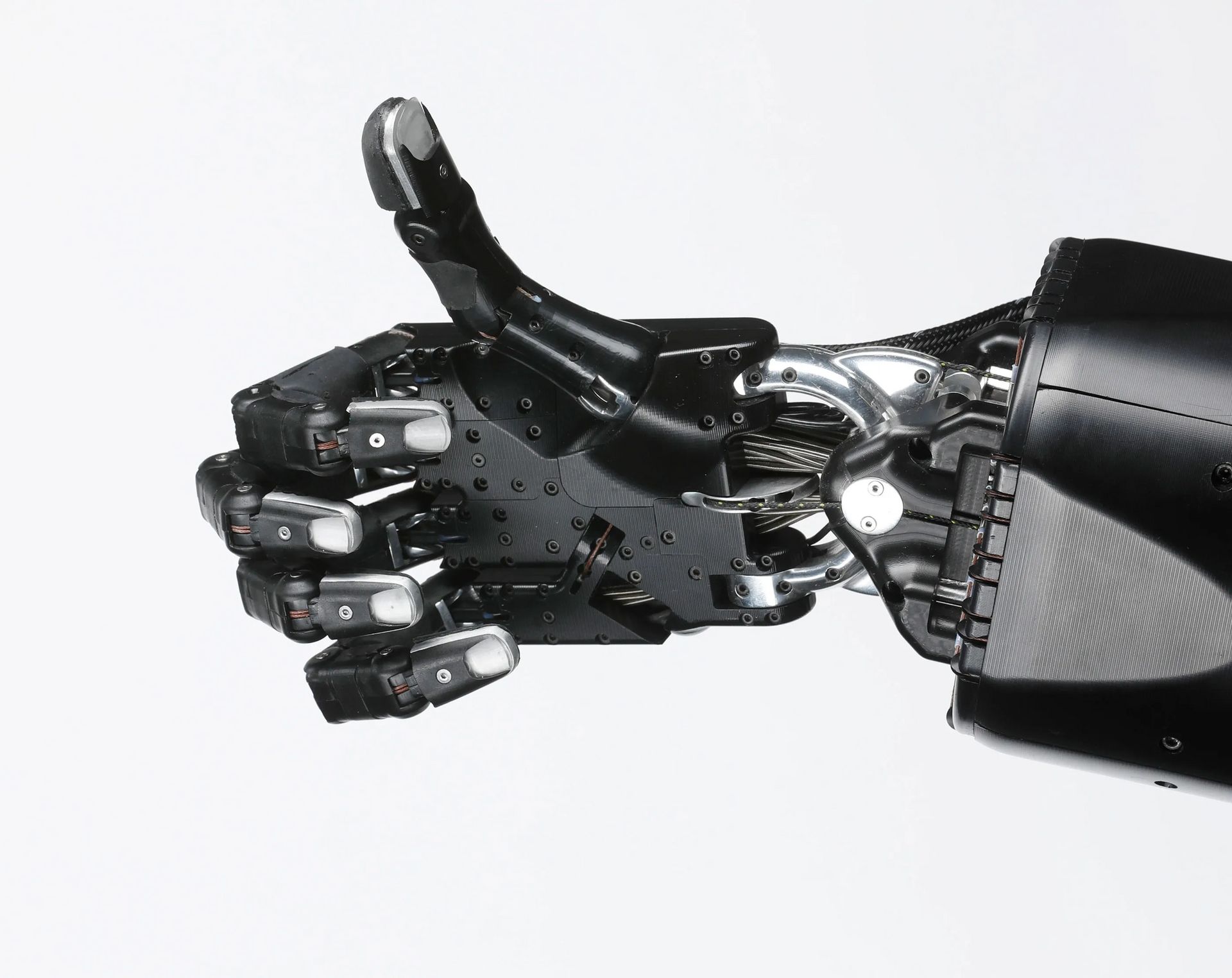
At CES, Arm quietly rewired itself.
Arm has created a new “Physical AI” unit, splitting the company into three core lines and putting robotics and automotive under one roof. Executives told Reuters the unit will expand staffing and target robots and cars that share tight power, safety, and reliability constraints, as humanoids filled the noisy halls in Las Vegas.
This is less about a new product and more about structure catching up to reality. Arm already sits inside phones, cars, and many robots, so formalizing Physical AI signals it wants to be unavoidable infrastructure as robotics spending finally gets serious. Calling it a unit matters because it gives robotics its own budget and internal gravity.
Arm makes money on licensing and royalties, which fits a world where dozens of robot makers ship in small volumes at first. If humanoids stall, autos still carry the business. If they scale, Arm is already inside.
The robots moved slowly on the CES floor, but Arm is clearly positioning for when they don’t.
Prohuman team
Covers emerging technology, AI models, and the people building the next layer of the internet. |  Founder |
Writes about how new interfaces, reasoning models, and automation are reshaping human work. |  Founder |
Free Guides
Explore our free guides and products to get into AI and master it.
All of them are free to access and would stay free for you.
Feeling generous?
You know someone who loves breakthroughs as much as you do.
Share The Prohuman it’s how smart people stay one update ahead.