- The Prohuman
- Posts
- Claude moves into small business tools
Claude moves into small business tools
Plus: Notion opens the door to AI agents


Rimsha Bhardwaj, Hasan Toor & Ihtesham Haider
May 14, 2026
Sponsored by

Hello, Prohuman
Today, we will talk about these stories:
Anthropic targets the SMB admin pile
Notion wants to run the agent workspace
Alexa becomes Amazon’s shopping agent
Your Shopify store gets built — live, right now
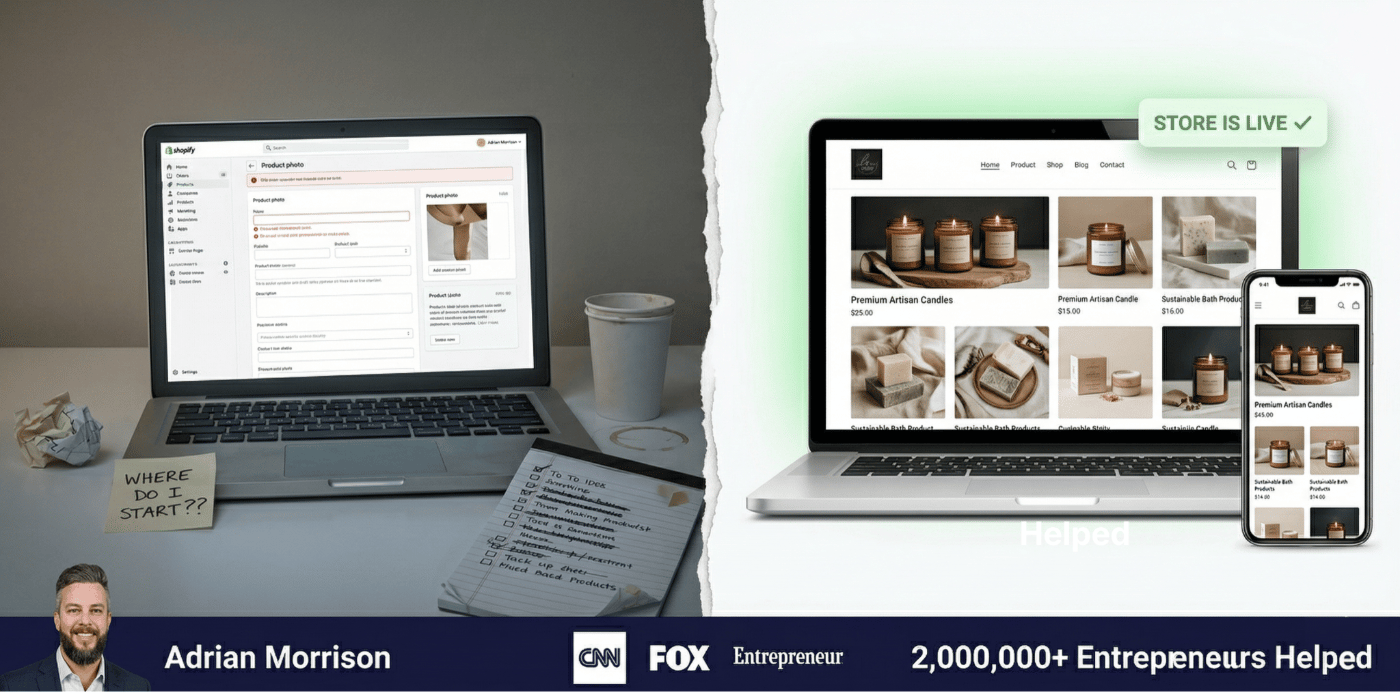
The Shopify store sitting half-finished in your browser tabs isn't a motivation problem. It's a setup problem.
Themes. Product research. Page builders. Payment setup. Most people spend months buried in this phase and quietly give up before they ever make a single sale.
Live Store Build skips the entire phase — live, on the spot.
Click in. Adrian Morrison's team builds your complete Shopify store with you on the call. Custom theme. 100+ trending products loaded and ready. A real, finished store in 30 minutes. Free.
Not a template. Not a tutorial. A finished store you own — built live while you watch.
Adrian has helped tens of thousands launch e-commerce businesses. This is the version where his team does the hard part, in real time.
You just need to grab your live build session and show up.
Builds are happening today. Click now and your store goes live before you close the tab.
Claude takes on the back office

Image Credits: Anthropic
Anthropic is putting Claude inside the software small businesses already open every day.
The new Claude for Small Business connects with QuickBooks, PayPal, HubSpot, Canva, Docusign, Google Workspace, and Microsoft 365. It launches with 15 ready-to-run workflows for jobs like payroll planning, invoice chasing, month-end close, campaign prep, and contract review.
This is the right place to push AI. Small business owners do not need another blank chat box at 10 p.m., with a laptop open and receipts on the desk.
The useful part is the approval layer: Claude can draft, reconcile, queue, and prepare, while the owner still signs off before anything sends, posts, or pays. That matters because trust is the product here, especially when half of surveyed owners named data security as their biggest AI hesitation.
The bigger signal is that AI companies are moving from “ask me anything” toward “connect your tools and clear the list.” For small businesses, that could be more useful than another general assistant.
Will owners hand it real work, or keep it at the edge of the business?
Notion wants agents inside the workspace

Image Credits: Notion
Notion is trying to make its workspace a place where AI agents actually do the work.
The company launched a developer platform with Workers, database sync, an External Agent API, and support for outside agents like Claude Code, Cursor, Codex, and Decagon. It says customers have already built more than 1 million Custom Agents since February.
This is a smart move because Notion already holds the messy middle of company work: notes, tasks, docs, databases, and the status updates people check between meetings. The new pitch is that agents should not sit in a separate tab while your real work stays in Notion.
The physical cue here is the command line, because this is Notion asking developers to treat the product as something they can build on. Workers being free through August also shows Notion wants experimentation before it asks teams to pay with credits.
The risk is complexity. A workspace full of agents, synced databases, and custom code can become hard to manage fast.
Will teams use this to save time, or just create another layer of internal tooling?
Alexa wants to finish the shopping list

Image Credits: Amazon News
Amazon is turning Alexa into a shopping assistant that can remember the dishwasher you own.
Alexa for Shopping combines Rufus, Alexa+, Amazon purchase history, browsing behavior, and conversations from Amazon.com and Alexa devices. It will roll out to U.S. customers across the Amazon app, website, and Echo Show, with no Prime membership required.
The useful feature is simple: Amazon is putting AI where buying already happens. Asking for a laptop price alert, checking a year of price history, or adding regular dog treats to the cart is more practical than opening a separate chatbot.
This also raises the stakes around personal context. Alexa can use family details, birthdays, pets, dietary needs, and past conversations, which makes the assistant better, but also makes the checkout feel more closely watched.
The bigger signal is that Amazon wants the search bar to become a buying agent, not just a place to type product names. Rufus helped over 300 million customers in 2025, so this is already happening at scale.
Will shoppers trust Alexa enough to let it buy for them?
Prohuman team
Covers emerging technology, AI models, and the people building the next layer of the internet. |  Founder |
Writes about how new interfaces, reasoning models, and automation are reshaping human work. |  Founder |
Free Guides
Explore our free guides and products to get into AI and master it.
All of them are free to access and would stay free for you.
Feeling generous?
You know someone who loves breakthroughs as much as you do.
Share The Prohuman it’s how smart people stay one update ahead.