- The Prohuman
- Posts
- AI funding just changed scale
AI funding just changed scale
Plus: Meta pushes AI glasses into daily use


Rimsha Bhardwaj, Hasan Toor & Ihtesham Haider
April 01, 2026
Sponsored by

Hello, Prohuman
Today, we will talk about these stories:
OpenAI raises $122B
Meta adds more utility to smart glasses
HHS pulls AI under one roof
How Jennifer Aniston’s LolaVie brand grew sales 40% with CTV ads

The DTC beauty category is crowded. To break through, Jennifer Aniston’s brand LolaVie, worked with Roku Ads Manager to easily set up, test, and optimize CTV ad creatives. The campaign helped drive a big lift in sales and customer growth, helping LolaVie break through in the crowded beauty category.
AI infrastructure is consolidating fast
Image credits: Open AI
This is big. OpenAI closed a $122 billion round at an $852 billion valuation, with backing from Microsoft, Nvidia, Amazon, and SoftBank, and says it’s now doing $2 billion in monthly revenue.
The scale here matters because it shifts AI from a product race into an infrastructure race where capital, compute, and distribution all lock together over time.
Numbers matter here.
They are building a system where 900 million weekly users, enterprise revenue above 40%, and massive compute supply reinforce each other in a tight loop that smaller players cannot easily replicate.
At 7 a.m., this reads less like a funding story and more like a signal that a few companies will control the pipes, not just the apps. If that holds, most startups will sit on top of these platforms rather than compete with them directly. How many independent AI companies can still break through from here?
Meta is turning glasses into a daily device
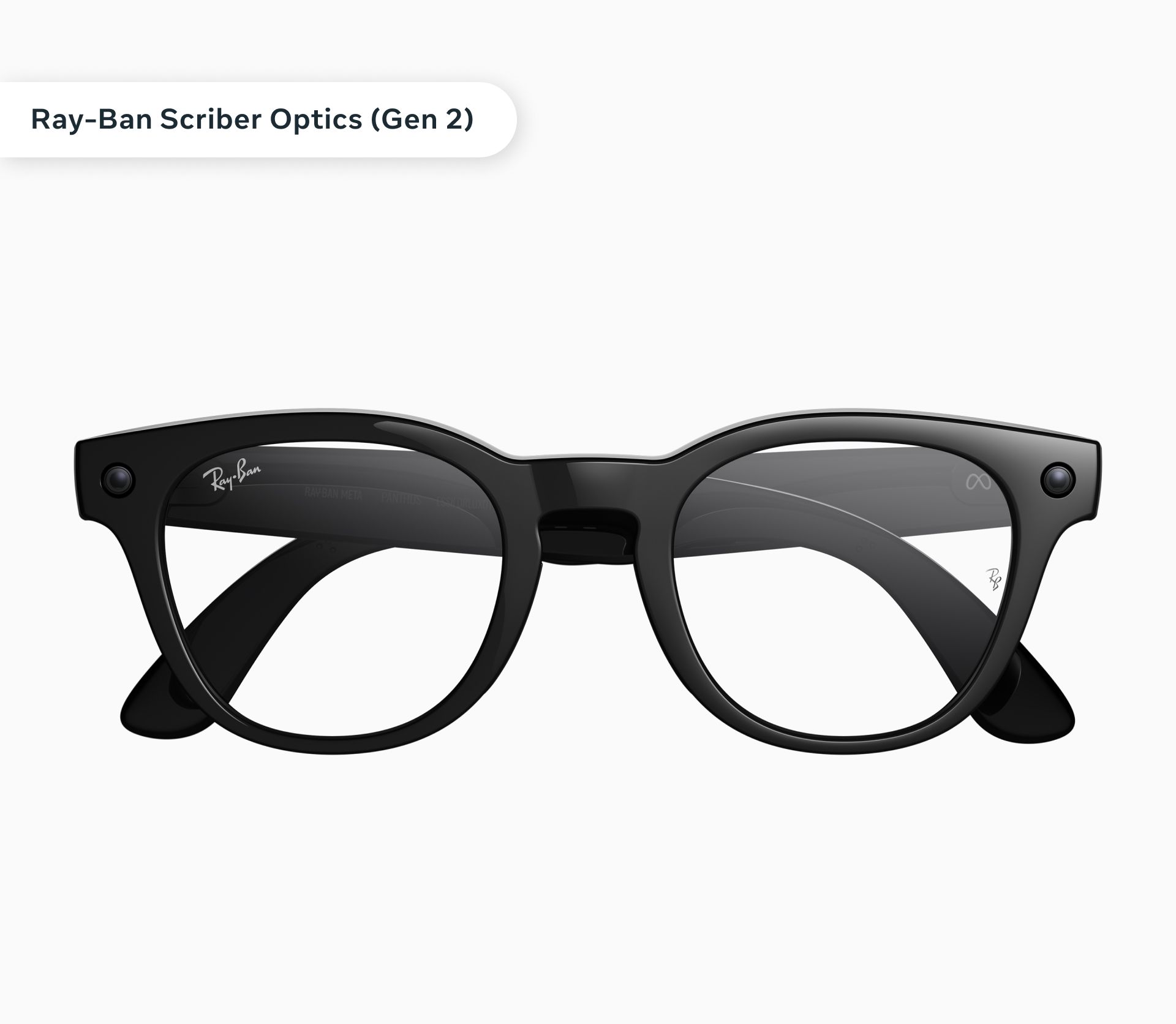
Image Credits: Meta
This is about wear time. Meta is launching prescription-ready AI glasses starting at $499, alongside features like nutrition tracking, WhatsApp summaries, and silent “neural handwriting” input.
The key shift is moving from a gadget people try to something they wear all day, which is why prescription support matters more than any single feature.
Comfort matters here.
If the device sits on your face from morning to night, Meta gets continuous access to context, messages, and behavior in a way phones never fully captured.
Late afternoon, walking outside, directions in your lens and messages summarized without pulling out a phone starts to feel practical, not experimental.
If adoption follows, this puts Meta back in a strong position on hardware after missing the phone era. Do people actually want this much computing on their face all day?
HHS centralizes AI and data control

This is a structural reset. HHS is reversing a 2024 reorg and moving its Chief AI Officer, CTO, and Chief Data Officer back under the CIO, while narrowing ONC’s role to policy and interoperability.
The move puts AI, data, cybersecurity, and infrastructure into one chain of command, which tells you the government sees these as operational systems, not just policy areas. Control matters here.
When the same office runs platforms, data, and AI deployment, decisions get faster but also more centralized, especially in a system as large as federal healthcare.
By mid-morning, this reads like the government preparing for AI at scale inside real systems like hospitals, not just pilot programs or advisory groups.
If this works, vendors and providers will have to align with a more unified federal tech stack. Does this speed things up, or make the system harder to change later?
Prohuman team
Covers emerging technology, AI models, and the people building the next layer of the internet. |  Founder |
Writes about how new interfaces, reasoning models, and automation are reshaping human work. |  Founder |
Free Guides
Explore our free guides and products to get into AI and master it.
All of them are free to access and would stay free for you.
Feeling generous?
You know someone who loves breakthroughs as much as you do.
Share The Prohuman it’s how smart people stay one update ahead.